
Winter in the Smoky Mountains – A Cabin Getaway Guide
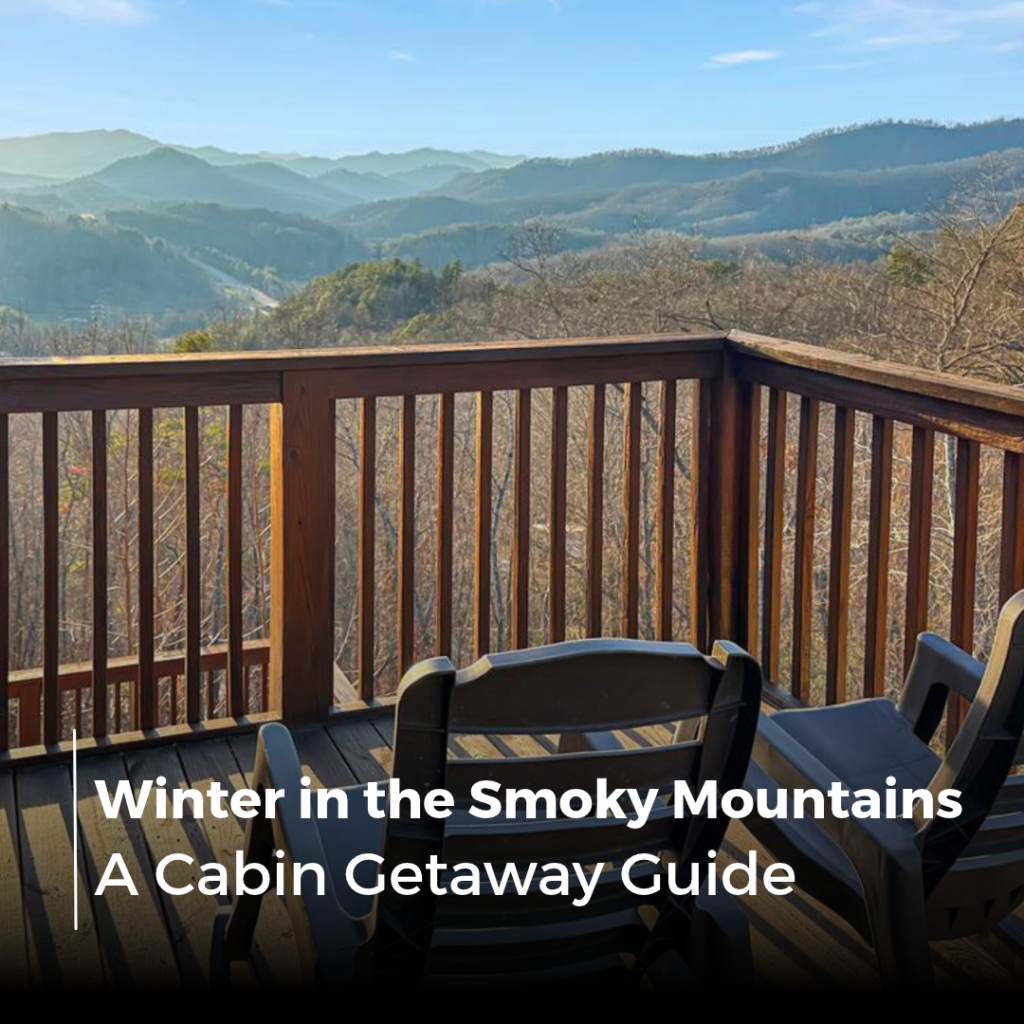
Rain taps the cabin roof in Bryson City while snow collects 3,000 feet higher near Newfound Gap. That split-screen weather is a normal winter day in the Smokies. Elevation matters as much as the forecast, so a trip can include a mild afternoon by the river and icy trail conditions in the national park.
Winter Is Milder in the Valleys
At lower elevations, winter often means cool days, cold nights, rain, and occasional snow rather than a continuous white landscape. The National Park Service notes that many winter days reach the 50s at lower elevations. Snowfalls of an inch or more happen only a handful of times in a typical low-elevation winter.
January and February usually carry the best chance of snow, especially higher in the mountains. A difference of 10 to 20 degrees between a valley and a high ridge is common enough to shape the entire day’s plan.
Mountain Roads Can Change the Schedule
Great Smoky Mountains National Park remains open year-round, but weather can temporarily close Newfound Gap Road and other routes. Several secondary roads close seasonally. A blue sky outside the cabin does not confirm that the road across the crest is open.
Check official park alerts on the morning of every drive. Do not rely on yesterday’s status or a mapping app that still shows a closed route. Drivers should also carry warm layers, water, and a charged phone in case traffic stops behind an incident or a weather change.
Trails Range From Damp to Icy
Lower trails around Deep Creek may be wet and muddy after winter rain. Higher trails can hold packed snow or thin ice long after roads and roofs look clear. North-facing slopes stay cold, and wooden bridges become slick before the surrounding ground freezes.
Choose a hike by elevation and recent conditions, not by mileage alone. Waterproof boots and traction devices belong in the car. Families with young children often have a better day on a lower, shorter trail, followed by an early return to the cabin before temperatures fall.
The detail many visitors miss is sunset. Winter darkness arrives early in the mountains, and valleys lose direct light sooner than an open forecast suggests. Begin hikes with enough time to finish well before dusk.
Wildlife Is Easier to Spot in Bare Woods
Leafless forests open sightlines along roads and trails. Deer, wild turkeys, and smaller animals may be easier to see, while elk are often associated with the Oconaluftee and Cataloochee areas. Watch from a legal pullout and keep the required distance from wildlife.
Cold weather does not make animals approachable. Feeding, crowding, and stepping into the road for a photograph can harm wildlife and create traffic hazards. A zoom lens or binoculars provides the better view.
Winter Rewards Flexible Travelers
The quieter season offers easier access to some popular places, clearer long-range views through bare trees, and a slower rhythm in nearby towns. It also asks for flexibility. A high-elevation plan may need to become a waterfall walk, a scenic drive at lower elevation, or a cabin afternoon when ice arrives.
Couples seeking quiet will appreciate midweek dates after the holidays. First-time visitors should plan one priority activity per day and leave room for a weather-driven change. A packed itinerary is the easiest way to turn a temporary closure into a frustrating trip.
What to Bring to a Smokies Cabin in Winter
Pack for rain and cold in the same day. A waterproof outer layer, warm midlayer, hat, gloves, hiking shoes, and spare socks cover most low-elevation outings. Add microspikes for mountain trails, plus a flashlight and offline map.
For driving, keep the fuel tank comfortably full and clear every window before leaving. Confirm the cabin’s approach and parking instructions before dark. Steep or shaded access roads can hold ice after main roads improve.
Winter in the Smokies Q&A
Does It Snow in the Smoky Mountains in Winter?
Yes, but snow varies sharply by elevation. Lower valleys receive occasional snow, while high ridges get more frequent and longer-lasting winter conditions.
Is Great Smoky Mountains National Park Open in Winter?
The park is open year-round. Weather and seasonal schedules can close specific roads, facilities, and secondary routes, so check official alerts before each visit.
Do I Need a Parking Tag in the Smokies During Winter?
Yes. Vehicles parked longer than 15 minutes in Great Smoky Mountains National Park need a valid parking tag throughout the year.
What Is the Best Winter Month to Visit the Smokies?
December offers holiday atmosphere in gateway towns, while January and February usually bring colder conditions and a stronger chance of high-elevation snow. The better choice depends on the activities planned.
Can Families Hike in the Smokies During Winter?
Yes. Select a lower-elevation trail, check conditions, carry layers, and turn around before children become cold. Short waterfall walks often work better than exposed ridge hikes.
Plan for Two Elevations
Build each day with a mountain option and a valley option. Check roads after breakfast, place the warmer plan within easy reach of the cabin, and let the elevation forecast decide which version of the Smokies makes sense that morning.
Plan your winter trip to the Smoky Mountains and browse our cabins.